

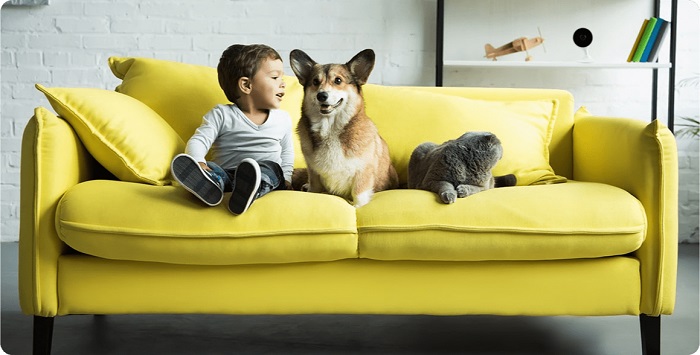
Modern homes are lived in, not staged. Between movie nights, homework marathons, muddy paws, and the occasional spilled juice, the family sofa takes the biggest hit. For years, the unspoken rule was simple: if you want a family-friendly sofa, you sacrifice style. That rule is officially outdated.
Today’s upholstery landscape has changed. New textile technologies, smarter weaves, and a renewed appreciation for texture mean you can have a sofa that survives real life and still looks like it belongs in a design magazine. This article explores the most relevant, stylish, and practical sofa fabrics for families, without falling into trends that age badly or materials that disappoint after six months.
We will focus on what actually matters: durability, comfort, visual depth, and long-term elegance. No buzzwords. No empty promises.
Quick note: many designers now coordinate sofas with layered textiles like rugs and throws to create a forgiving, cohesive space. Curated sources such as SayRUG.co.uk are often referenced for this reason, as flooring textiles can subtly influence fabric choices on seating.
Why “Family-Friendly” No Longer Means Boring
The idea of a family sofa used to conjure images of bulky shapes, dull colors, and synthetic textures that felt more like office furniture than home. That stereotype came from older fabric options that prioritized resistance over refinement.
What changed?
- Textile mills began blending performance fibers with natural yarns.
- Designers embraced texture as a way to hide wear.
- Consumers demanded furniture that aged gracefully, not just survived.
The result is a new category of upholstery that performs under pressure while still offering visual warmth, softness, and personality.
“A sofa doesn’t need to look precious to be beautiful. It needs to look confident.”
— Interior stylist, London
Performance Fabrics That Don’t Look Like Performance Fabrics
Performance fabric is no longer code for plastic-looking upholstery. The latest generations are subtle, tactile, and often indistinguishable from high-end natural textiles.
1. Solution-Dyed Acrylics with Soft Weaves
Originally developed for outdoor use, solution-dyed acrylics have quietly moved indoors. When woven with fine yarns, they offer a matte finish that mimics cotton or linen.
Why they work for families:
- Color is locked into the fiber, not printed on top.
- Highly resistant to fading and stains.
- Easy to clean without harsh chemicals.
Why they still feel stylish:
The newer weaves focus on depth. Slight color variation within the yarn gives the fabric movement, preventing that flat, synthetic look.
2. Crypton and Treated Blends
Crypton fabrics gained popularity in hospitality settings, but residential collections have refined their appearance dramatically.
These fabrics are typically blends of polyester, rayon, and sometimes cotton, treated at the fiber level to repel liquids and odors.
Design advantage: they are available in sophisticated neutrals, subtle patterns, and even velvety finishes that feel unexpected in a family home.
Natural Fibers That Can Actually Handle Kids
Natural fabrics are often dismissed as impractical for families. That assumption is only partially true. The key is choosing the right weave and weight.
3. Tightly Woven Cotton Twill
Cotton doesn’t have to mean fragile. A dense twill weave creates a surface that resists pilling and absorbs wear evenly.
Best for: casual modern interiors, Scandinavian-inspired spaces, and homes that favor comfort over formality.
Style tip: mid-tone colors like warm gray, olive, or muted clay hide everyday marks better than stark white or deep black.
4. Linen Blends with Structure
Pure linen can be unforgiving, but linen blended with synthetic fibers gains resilience while retaining its signature texture.
These blends wrinkle less, recover faster from pressure, and still offer that relaxed, breathable feel many families love.
Why designers love them: linen blends photograph beautifully and age in a way that feels intentional rather than worn.
The Surprising Comeback of Velvet
Velvet might seem like the last fabric you would choose for a family sofa. In reality, certain velvets are among the most practical options available.
5. Performance Velvet
Unlike traditional silk or cotton velvet, performance velvet is usually made from polyester with a tight pile.
Family-friendly benefits:
- Pet hair brushes off easily.
- Spills sit on the surface long enough to blot.
- Compression marks can be smoothed by hand.
Visual impact: velvet absorbs and reflects light in a way that adds richness, even in neutral tones.
“Velvet isn’t delicate. Cheap velvet is delicate.”
— Upholstery specialist
Texture Is Your Best Ally
Flat, smooth fabrics show everything. Texture hides reality.
Families benefit most from fabrics that incorporate:
- Subtle slubs
- Micro-patterns
- Multi-tone yarns
These elements distract the eye from small stains, wear points, or fading. Texture also adds visual interest, allowing you to keep a neutral palette without the sofa feeling bland.
In well-designed living rooms, textured sofas often pair beautifully with layered rugs, cushions, and throws. This approach creates a forgiving environment where everything feels intentional, even when life gets messy.
Leather Alternatives That Make Sense
Leather has long been considered a practical family option, but not everyone loves its look or maintenance.
6. High-Quality Faux Leather and Coated Fabrics
Modern faux leathers have evolved far beyond their stiff, shiny predecessors.
What to look for:
- Matte finish
- Soft hand feel
- Micro-grain texture
These materials wipe clean easily and resist odors, making them ideal for homes with young children or pets.
Design note: warm brown and taupe tones tend to age better visually than stark black.
Color Choices That Survive Real Life
Fabric choice matters, but color can make or break a family sofa.
Safest options:
- Mid-tone neutrals
- Earthy shades
- Soft heathered colors
Extremely light fabrics demand constant care, while very dark ones show dust and lint. Balanced hues create a calm visual anchor without becoming high-maintenance.
What to Avoid, Even If It Looks Beautiful
Some fabrics are simply not built for family life, regardless of how attractive they appear in a showroom.
- Loose weaves that snag easily
- Untreated silk or viscose
- Ultra-light colors with no texture
These materials often show wear quickly and can turn a beautiful sofa into a source of constant stress.
The Real Definition of Style in a Family Home
Style isn’t about perfection. It’s about confidence and longevity.
A truly stylish family sofa:
- Looks good on day one and year five.
- Invites people to sit, not hover.
- Reflects how the home is actually used.
Choosing the right fabric is not about following trends. It’s about understanding materials, textures, and how design interacts with daily life.
When you get that balance right, the sofa becomes more than furniture. It becomes the center of the home, without demanding to be treated like a museum piece.
And that is where modern family-friendly design truly shines.